
Rule (H)6 — The 2024–2025 Fair Start Rule Change for Non-Runners
 Available in US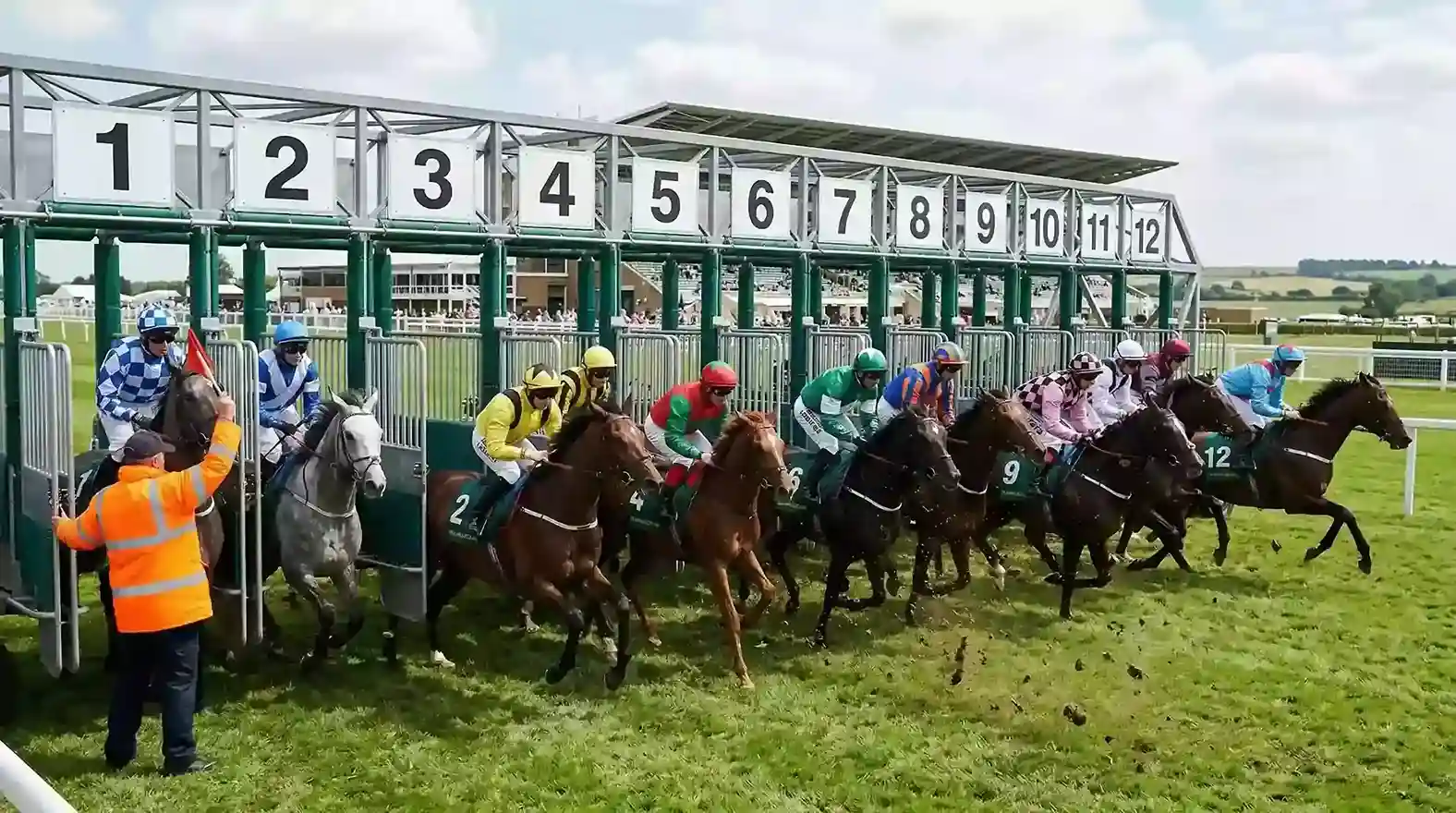
A power stewards never had — until 2024. Before 1 May of that year, once the starting stalls opened, every horse in the race was classified as a runner. If a stall mechanism jammed and a horse was left behind while the field galloped away, that horse was officially a runner — and a non-finisher. Your bet was a loser, even though the horse never had a chance to compete. The rule treated the opening of the stalls as the point of no return, regardless of what actually happened to each individual horse.
Rule (H)6 changed that. Since 1 May 2024, stewards have the authority to declare a horse a non-runner after the stalls open, provided the horse was denied a fair start. The power was introduced for Flat racing from starting stalls, and in October 2025 it was extended to cover Jumps races and tape starts. The change brought British racing into alignment with the International Federation of Horseracing Authorities (IFHA) model rule and created a new category of non-runner that exists at the very boundary between “before the race” and “during the race.”
For bettors, the rule matters because it can turn a losing bet into a void. A horse that previously would have been classified as a non-finisher — and your stake lost — can now be reclassified as a non-runner if stewards determine it was denied a fair start. The financial difference is binary: refund or nothing.
Rule (H)6 — More on this topic at non runners today racing.
The Stalls Rule (May 2024) — How It Works and Why It Was Introduced
The stalls rule works as follows. In any Flat race that starts from stalls, if a horse is denied a fair start — because the stall failed to open, opened partially, or malfunctioned in a way that prevented the horse from breaking with the field — the stewards can review the start and declare the affected horse a non-runner. The declaration happens after the stalls have opened and in some cases after the race has begun, but it is applied retrospectively: the horse is reclassified as a non-runner, and bets are settled accordingly.
The key phrase is “denied a fair start.” This is a stewards’ judgment call, not an automatic trigger. If a horse breaks slowly because it was reluctant or because the jockey was caught flat-footed, that is not a denial of a fair start — that is a competitive disadvantage within the normal run of racing. The rule targets mechanical failures and situations beyond the horse’s or jockey’s control. A stall that does not open is the most clear-cut example. A stall that opens late, giving the horse a two-length deficit, is a judgement call that the stewards must assess based on the evidence.
BHA Chief Regulatory Officer Brant Dunshea described the rule as aligning British racing with the IFHA model rule, noting that it brought the UK into step with international standards on fair starts. The IFHA framework had long allowed racing authorities to declare non-runners at the start in cases of mechanical failure, and British racing was an outlier in not having the power. The May 2024 change closed that gap.
The rule was introduced after a consultation period and was supported by both the trainers’ and jockeys’ representative bodies. The consensus was that a horse trapped in a malfunctioning stall should not be penalised as a runner when it had no opportunity to compete, and that bettors should not lose their stake in those circumstances. The rule addressed a fairness issue that had persisted for decades — and it did so with a mechanism that was already proven in other racing jurisdictions.
Extended to Jumps (October 2025) — Tape Starts Covered
On 1 October 2025, the BHA extended Rule (H)6 to cover National Hunt races starting from a tape or flag. The extension meant that stewards could now declare a horse a non-runner at the start of any race in British racing — Flat or Jumps, stalls or tape — if it was denied a fair start.
The Jumps extension addressed a different set of scenarios from the stalls rule. In tape starts, the most common fair-start issue is a horse that ducks under the tape prematurely, runs loose before the field has been released, and is caught without ever having been part of the race. Previously, this horse was classified as a runner because it had come under starter’s orders — even though it never competed in any meaningful sense. Under the extended rule, stewards can review the incident and declare the horse a non-runner if it was denied a fair start.
In its first year of operation — from May 2024 to September 2025, covering Flat racing only — the stalls rule was invoked approximately half a dozen times, according to the BHA’s own assessment when announcing the Jumps extension. Six instances across thousands of races is a small number, but each one represented a horse that would previously have been classified as a non-finisher and a bet that would have been settled as a loser. The BHA characterised the usage as evidence that the rule was being applied judiciously and sparingly, not as a routine tool but as a safety net for genuine fair-start failures.
The Jumps extension is expected to produce similarly infrequent use. Tape starts in National Hunt racing are generally straightforward — the starter releases the tape and the field departs. Mechanical failures are less common than in stalls races because the tape system is simpler. But incidents do occur, and the extension ensures that the stewards have the same power at Uttoxeter on a wet Wednesday as they do at Ascot on Champions Day.
What This Means for Your Bets — Void or Rule 4?
If your horse is declared a non-runner under Rule (H)6, your bet is voided. The stake is returned in full. The settlement is identical to any other non-runner void — the horse did not run, the bet is cancelled, and the money comes back. It does not matter that the stalls opened and the race technically began. The stewards’ declaration overrides the timeline, and for betting purposes the horse was never a runner.
See also Non-Runners in Irish Racing.
If a different horse in the race is declared a non-runner under Rule (H)6, your bet survives but Rule 4 applies. The deduction is calculated on the non-runner’s price at the time the stewards made the declaration — which, in practice, is the horse’s last traded price immediately before the race started. Because these declarations happen at the start, the price is essentially the final market price, and the Rule 4 deduction reflects the horse’s full market impact.
The scenarios where Rule (H)6 produces a void are rare — roughly six times in the first year of operation. Most races start cleanly and the rule is never invoked. But for the small number of bettors affected, the difference is absolute: a void refund instead of a losing bet. If you watch a race and see a horse left in the stalls while the field departs, check the stewards’ inquiry result. If the horse is declared a non-runner under Rule (H)6, your bet on that horse is void. If the stewards determine the horse was not denied a fair start, it remains a non-finisher and your bet is a loser.
The rule does not change how you should bet. It does not affect which horses to back or which races to target. What it does is provide a backstop of fairness for situations that were previously unfair — and knowing it exists means you can identify those situations when they occur and confirm that the settlement on your account matches the stewards’ ruling.
